
On most railways, ballast maintenance is one of the largest recurring costs, and ballast fouling is the main driver of geometry deterioration. Understanding how it develops — and catching it early — is the difference between targeted maintenance and expensive, reactive renewal.
How fouling develops
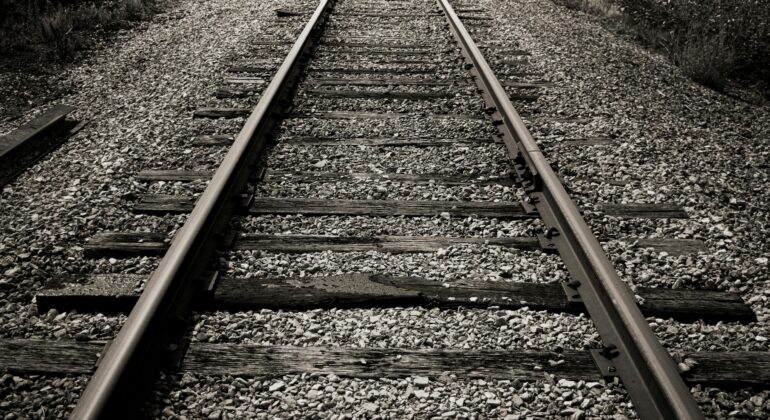
Fouling is not uniform. It tends to increase with depth: crib and shoulder ballast usually stays cleaner, while the ballast directly beneath the tie and at the bottom of the layer is most affected. It comes from particle breakdown under traffic, intrusion of outside fines, and in some cases pumping of the subgrade. According to research on track ballast, fouling reduces void space and drainage capacity, directly impacting track stability.
Measuring it: the Fouling Index
The most widely cited measure is the Selig Fouling Index — the percentage of material passing the No. 4 sieve plus the percentage passing the No. 200 sieve. Broadly, an index below 10 is clean, 10–20 moderately fouled, and above 20 seriously fouled. Some railways use a simpler single-sieve percentage as a maintenance trigger. Furthermore, fouling rates vary significantly depending on traffic tonnage and ballast material quality.
Water is the accelerant
Fouled ballast holds water, and water dominates every substructure failure mode. Trapped water at the bottom of ballast pockets softens the subgrade and shows up clearly in radar data as a strong reflection. Distinguishing a drainage problem from a fouling problem matters, because they need different fixes. However, in many cases, both conditions occur together and must be addressed simultaneously.
The case for early detection
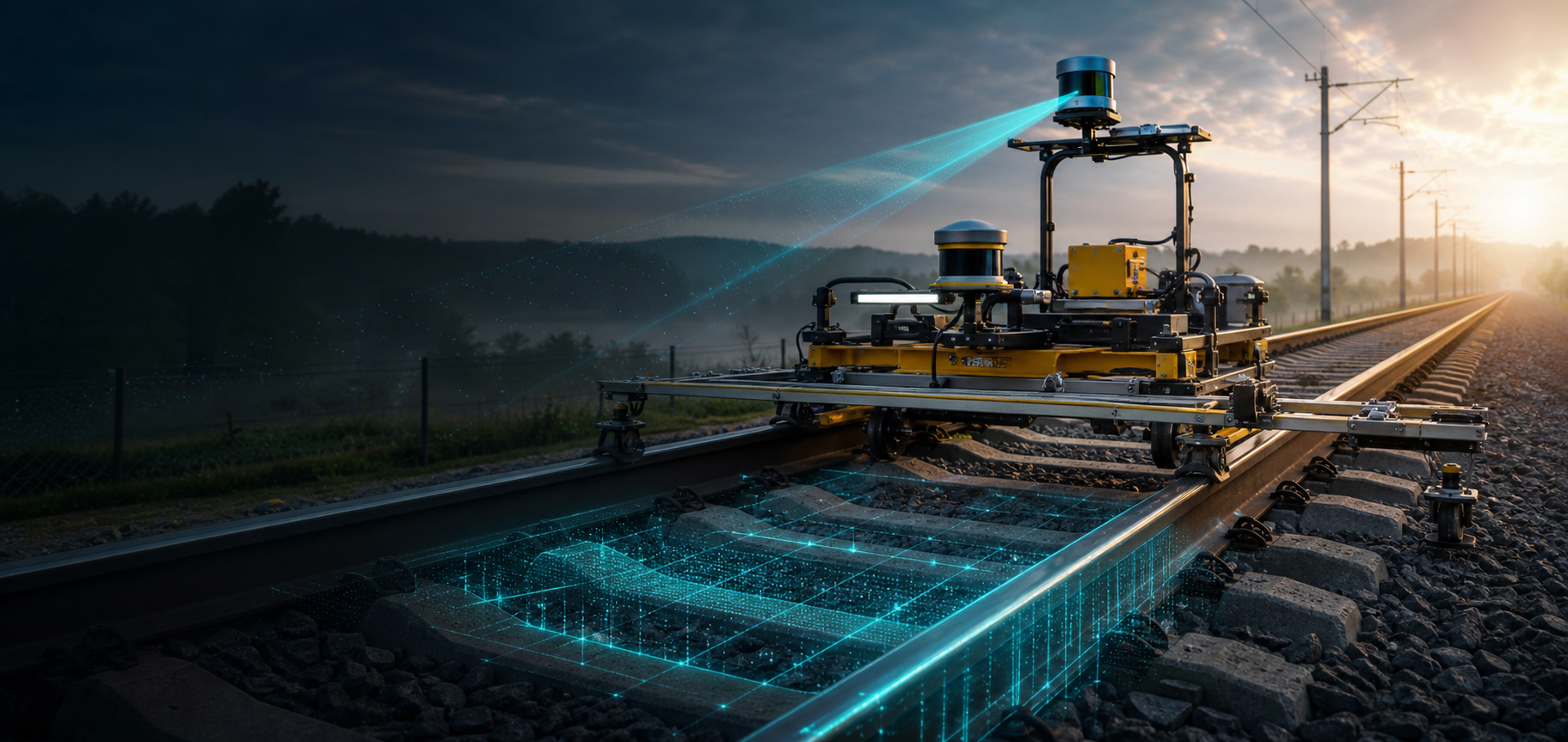
Detecting ballast fouling early — and locating it precisely — extends ballast life, focuses renewal budgets on the sections that actually need intervention, and reduces derailment risk. Continuous survey data turns maintenance from guesswork into data-driven planning. Additionally, early detection allows teams to schedule undercutting and tamping before geometry defects reach speed-restriction thresholds.
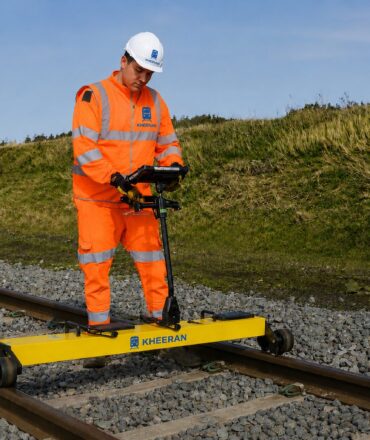
Curious where your track stands? See how our ballast investigation works.