Railway Ballast Fouling: Causes, Detection and Prevention

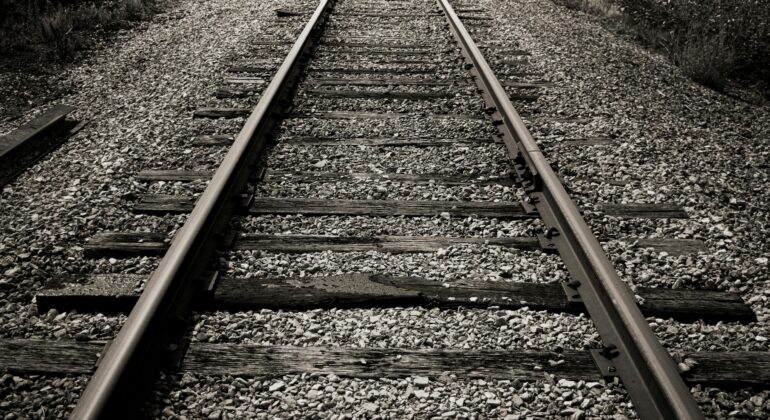
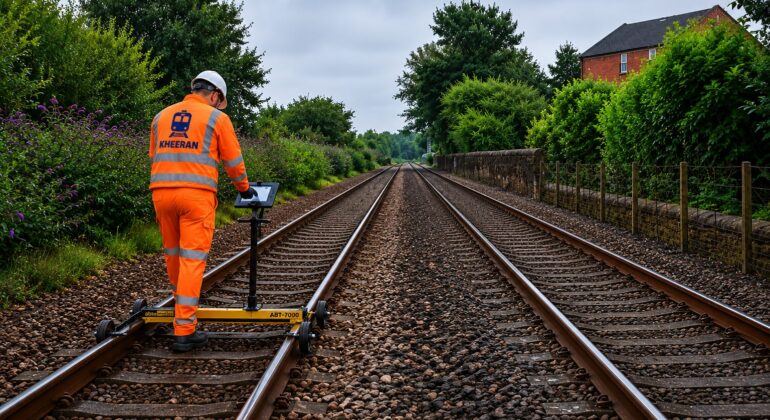
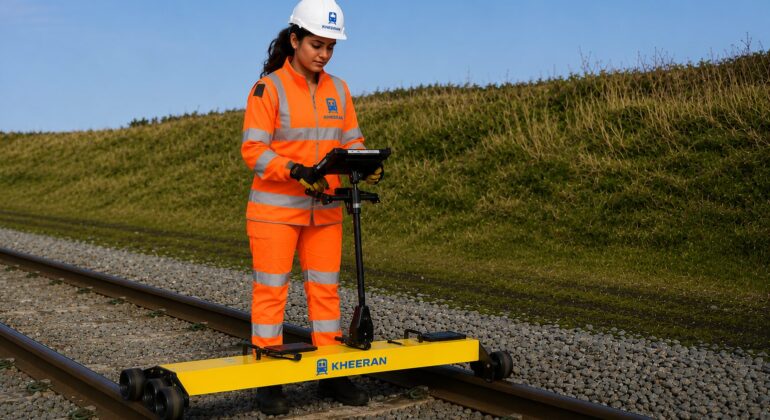
Railway ballast fouling is one of the most common and costly challenges in railway maintenance. KHEERAN Corporation specialises in the detection of railway ballast fouling using advanced multi-frequency GPR technology. As a result, railway owners can identify fouled zones early, plan targeted maintenance, and prevent premature track
Read More
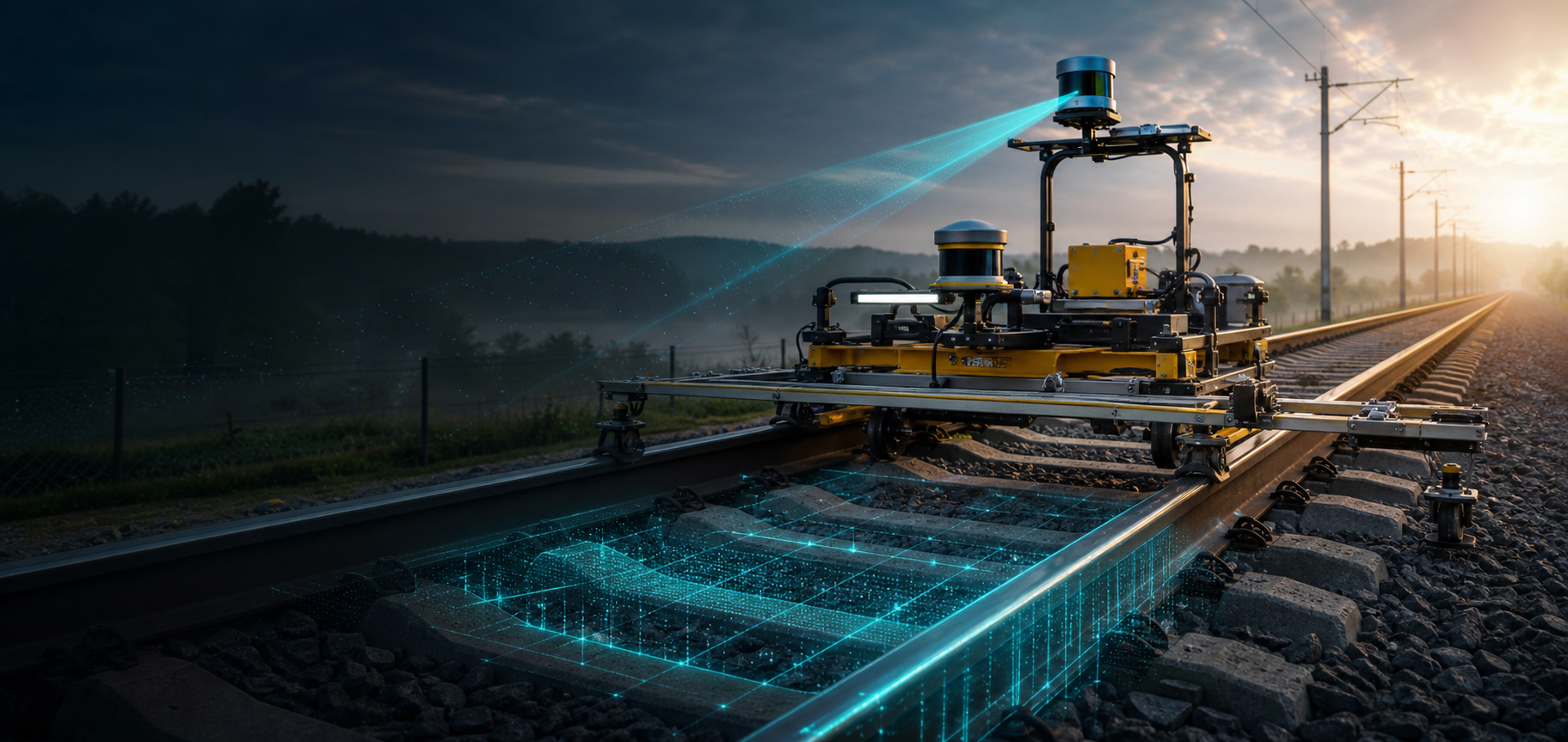
railway LiDAR scanning corridor point cloud capture from hi-rail

LiDAR Asset Scanning: A Digital Twin of Your Rail Corridor

LiDAR — Light Detection and Ranging — fires laser pulses and times their return to record millions of precise 3D points. Mounted on a hi-rail vehicle, it builds a survey-accurate digital twin of an entire rail corridor in a single pass, with no need to walk the

Read More
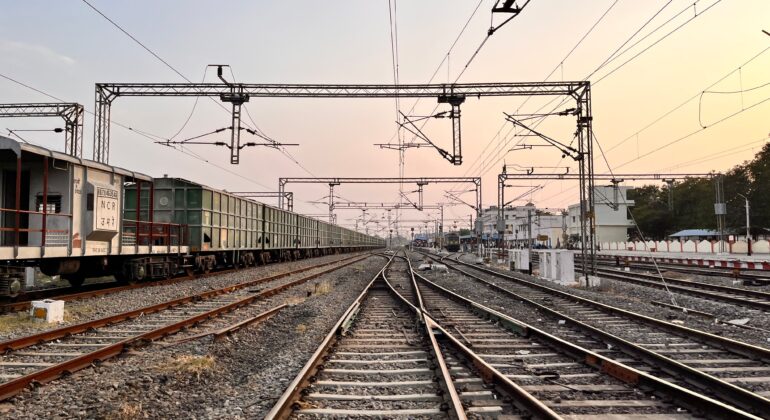
Rail track geometry survey campaign on mainline track

Why Fouled Ballast Threatens Track Performance

On most railways, ballast maintenance is one of the largest recurring costs, and ballast fouling is the main driver of geometry deterioration. Understanding how it develops — and catching it early — is the difference between targeted maintenance and expensive, reactive renewal. How fouling develops Fouling is

Read More
Railway corridor scanned with LiDAR for asset and clearance mapping

Three Ways to See Your Track: GPR, Geometry and LiDAR

No single technology tells you everything about a railway corridor. A combined GPR, geometry and LiDAR railway survey gives a complete picture — what lies beneath the rail, how the track rides, and what stands beside it. Kheeran brings all three together in a single campaign, so

Read More
railway LiDAR scanning hero image showing 3D corridor data

How Ground Penetrating Radar Detects Ballast Fouling

Ballast is the layer of coarse, angular stone that holds track geometry and drains water away from the track structure. New ballast is full of air voids between the stones. As track ages, those voids fill with fine material — broken-down stone, windblown fines, coal dust, or

Read More